TraPac Transformation Case Study (Alternative Layout)
TraPac: Data Visualization Driving Better Operations
How TEDIVO Vessel Designer & BAPLIE Viewer Online reduced vessel profile build time from up to 8 hours to approximately 1 hour, and screened over 1.2 million container records for data anomalies before importing into the TOS.
Quantifiable Impact
Conservative estimates based on TraPac's operational data
The Challenge
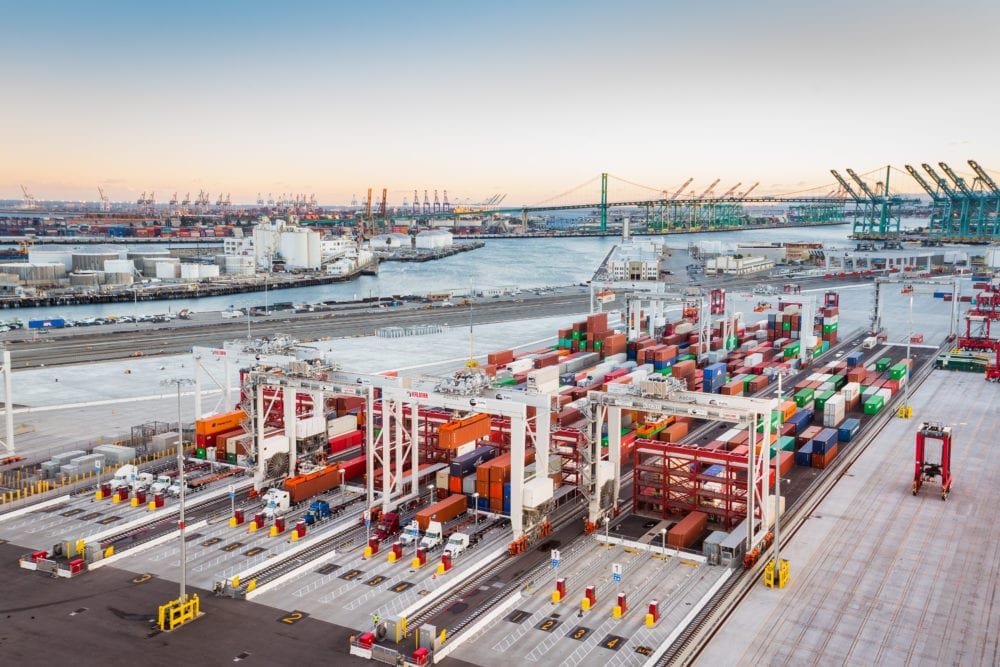
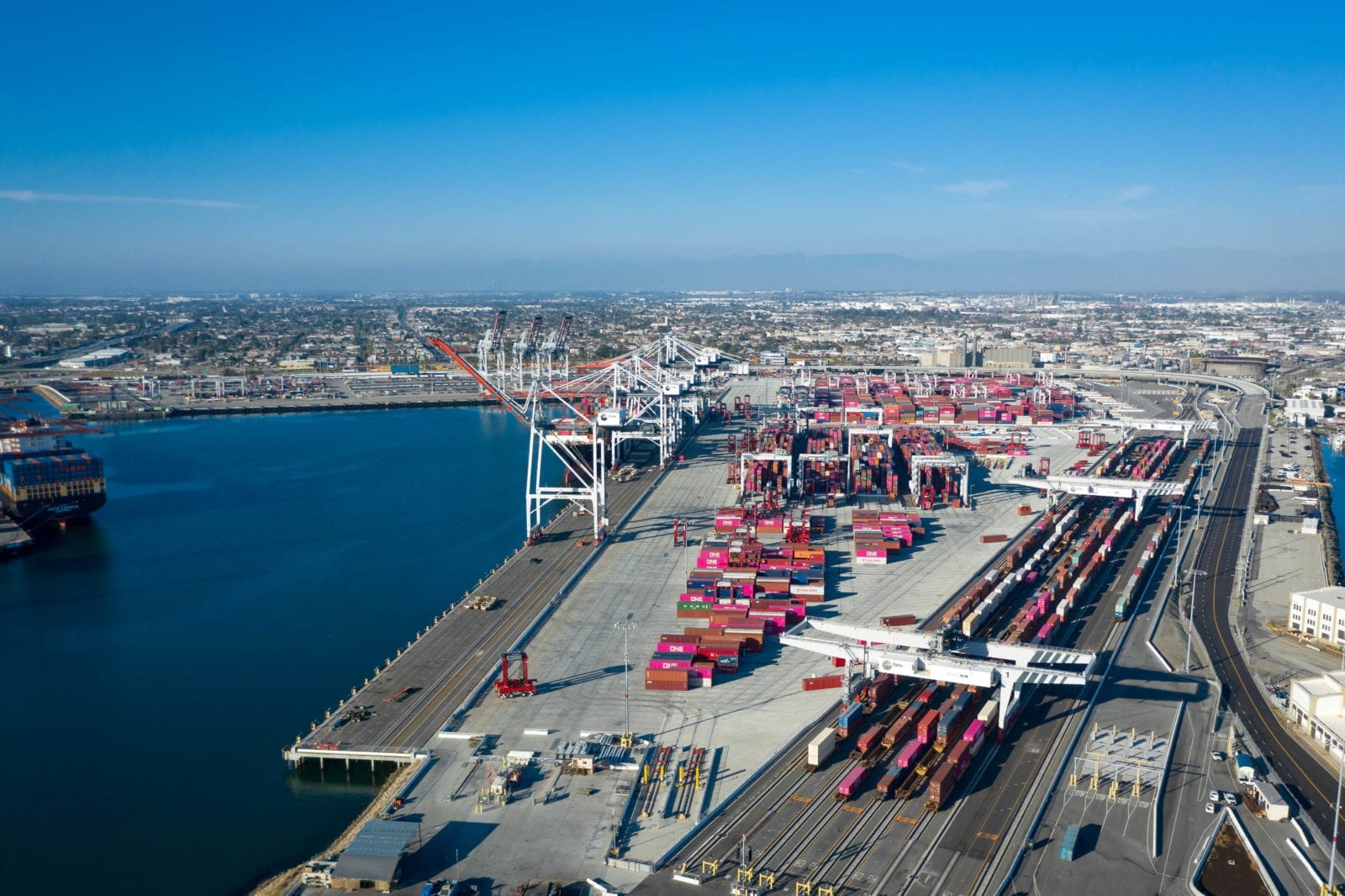
TraPac's Oakland and Los Angeles terminals manage vessels from 4,600 to sometimes 16,000 TEU, each requiring precise vessel profiles, accurate BAPLIE data, and tight coordination between incoming vessel data and TOS condifuration.
Time-Intensive Vessel Profiles
Building a vessel definition manually can take up to 4 to 8 hours of concentrated work, a recurring cost for every new or modified service.
Error-Prone Inbound BAPLIE Files
Incorrect ISO codes, port codes, and line information in inbound BAPLIEs can require up to 3 hours of correction work per incident once they reach the TOS.
Knowledge Concentration Risk
Vessel definition expertise concentrated in senior planners creates operational vulnerability and limits scalability across terminals.
The Solution
TEDIVO Vessel Designer + BAPLIE Viewer Online: A comprehensive digital transformation

Optimized Profile Building
- Direct BAPLIE import
- Auto-constructs majority of vessel
- Copy/Paste bay configs
- Build time cut to 1 hour
- New vessels onboarded wihout specialized skills
BAPLIE File Validation
- Pre-TOS anomaly detection
- Consistent mapping
- Integrity confirmation
- Prevents cascading TOS corrections
- Flags atypical cargo early
Knowledge Centralization
- Template-based workflows
- Leverages our global community for vessel profiles
- Productive within one session
- Scalable across terminals
Operational data sourced from TraPac interviews with
Senior Operations staff at Oakland and Los Angeles terminals
Strategic Value Beyond ROI
Long-term operational transformation
Standardization
Unified vessel definition & BAPLIE process across Oakland & LA terminals.
Data Integrity
Clean, validated BAPLIEs reduce conflicts, mis-stows & safety risks.
Future Integration
API-based BAPLIE uploads, recaps & outbound validation capabilities.
Operational Scale at TraPac
ROI Summary
Comprehensive impact across all operational areas
| Impact Area | Modeled Annual Benefit | Key Metrics |
|---|---|---|
| Vessel Profile Build Efficiency | Up to 8 hrs → ~1 hr per vessel | Confirmed by three independent TraPac operations staff |
| BAPLIE Anomaly Detection | 89% of 481 files detected anomalies | 1,197,246 stowage positions screened |
| TOS Rework Prevention | Up to 3 hrs of TOS correction avoided per incident | Incorrect ISO codes, port codes & line data identified before TOS import |
| Operational Reliability | Significant ongoing value | 125 vessels - 40% multi-revision voyages - cross terminal vessel library shared from Oakland -> LA |
Ready to Transform Your Operations?
Join us in revolutionizing vessel definitions and BAPLIE management